

New legislation gives automakers flexibility on CO₂ targets, while 2035 fossil fuel ban and Euro 7 standards reshape Europe’s auto future.
In a major change aimed at balancing environmental goals with industrial competitiveness, the European Union has approved a relaxation of short-term CO₂ emissions targets for automakers. The new regulation, adopted by the European Parliament in early May, allows manufacturers to average their fleet emissions over a three-year period from 2025 to 2027, rather than adhere to strict annual cuts. EU leaders describe it as a necessary “breathing space” for an automotive sector struggling to keep pace with electric vehicle (EV) innovations from China and the United States.
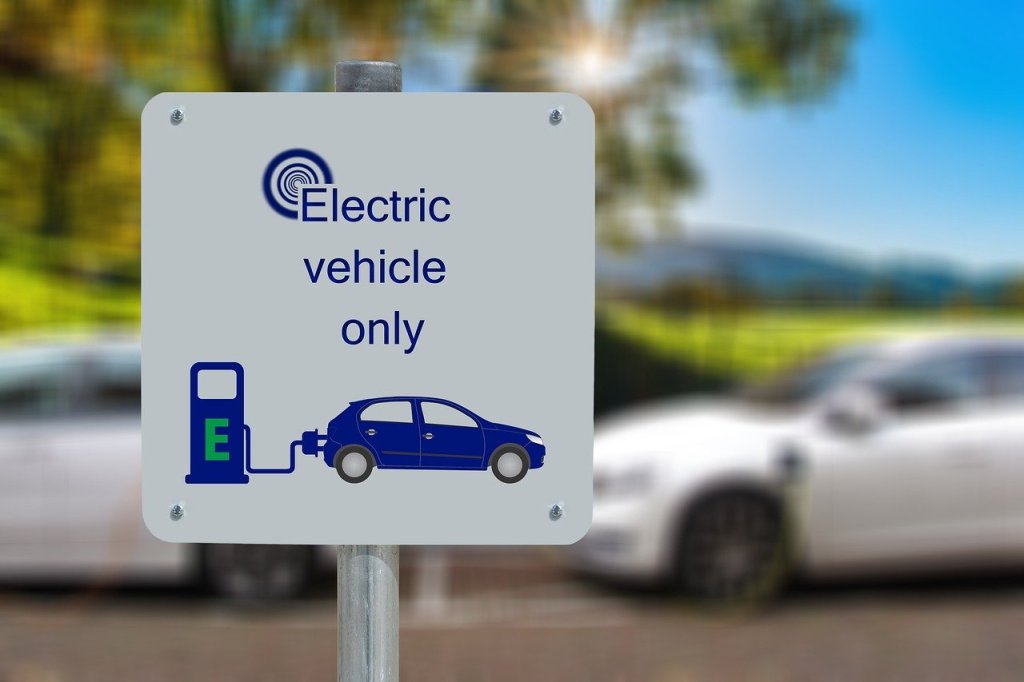
The regulatory easing comes amid growing concerns among European carmakers about the financial strain posed by the original targets. With potential fines of more than €15 billion looming, industry stakeholders have welcomed the change as a more pragmatic approach. At the same time, Brussels remains committed to long-term climate targets, particularly a ban on the sale of new petrol and diesel cars by 2035, one pillar of the EU’s “Fit for 55” climate package.
However, cracks are beginning to show in the consensus over how fast and how far the transition should go. While Germany has advocated for technological neutrality that includes synthetic fuels, Italy is calling for an earlier review of the 2035 ban to ensure a smoother economic transition, especially for regions reliant on traditional automotive manufacturing.
Meanwhile, the EU is set to implement the next phase of emission regulations with the Euro 7 standards, starting in 2026. These rules will expand the focus from tailpipe emissions to non-exhaust pollutants such as brake and tire particulates, which are relevant even for electric vehicles.
Automakers are also urging Brussels to rethink how it supports the production of smaller, more affordable vehicles. Executives from Renault and Stellantis have criticized current regulations for favoring larger, more expensive electric models. They warn that unless changes are made to encourage compact EVs—possibly by adopting a regulatory model similar to Japan’s Kei cars—the market for accessible electric mobility in Europe could falter.
Despite these regulatory headwinds, 2025 is expected to be a landmark year for EV expansion in Europe, with over 160 new electric models slated for release. Yet, the road ahead remains complex. Manufacturers face shrinking profit margins due to compliance costs, the purchase of carbon credits, and the still-limited infrastructure for EV charging. Policymakers now face the challenge of steering the continent through an equitable green transition—one that keeps Europe competitive without leaving workers, consumers, or manufacturers behind.
 journoeurope.com