

The summit will once again test burden-sharing from an EU perspective, alliance cohesion with the US, and Türkiye’s geopolitical centrality.
The NATO Summit to be held on 7–8 July 2026 in Ankara arrives at a moment of heightened geopolitical strain for the transatlantic security order. Against the backdrop of the war in Ukraine, instability across adjacent regions, and renewed uncertainty over long-term US strategic priorities in Europe, the summit is widely seen as a critical stress test for NATO cohesion and European security responsibility.
For the European Union, however, Ankara is more than a NATO decision-making arena. It represents a sharper question about Europe’s own geopolitical maturity: Can the EU translate its strategic autonomy discourse into operational capacity within a still NATO-centred security architecture?
A Summit Shaped by Strategic Fragility
The Ankara Summit is being prepared under what analysts describe as a ‘fragile’ alliance environment, where internal divisions and external pressures intersect. Debates over burden-sharing, defence investment, and the credibility of deterrence in Europe’s eastern flank are expected to dominate the agenda.
Key fault lines include:
- Diverging threat perceptions between European Allies and the United States
- Ongoing uncertainty over US commitment levels in Europe
- Disputes over defence spending targets and capability gaps
- Long-term questions about NATO’s strategic direction beyond Ukraine
In this context, Ankara is less a routine summit than a cohesion checkpoint – a moment in which NATO must demonstrate unity not only rhetorically but through credible capability commitments.
For the European Union, the Ankara Summit intensifies an already unresolved dilemma: the widening gap between strategic ambition and institutional capacity. The EU has elevated “strategic autonomy” into a defining foreign policy narrative, yet its operationalisation remains constrained by structural realities:
- Fragmented national defence priorities
- Unanimity requirements in foreign and security policy
- Persistent dependence on NATO for high-end military capabilities
- Uneven defence industrial capacity across Member States
Recent analyses emphases that shifts in US strategic priorities increasingly place pressure on Europe to assume greater responsibility for its own security within the Alliance framework. This produces a paradox at the heart of EU foreign policy: the Union is expected to behave as a geopolitical actor while remaining institutionally dependent on the very structure it seeks to rebalance.
EU–NATO Convergence: Toward a “European Pillar” Within the Alliance
Despite ongoing debates about autonomy, the dominant trajectory is not institutional separation but functional convergence between the EU and NATO. In the lead-up to the Ankara Summit, EU and NATO institutions have intensified coordination on defence industrial production, capability development, and long-term support for Ukraine.
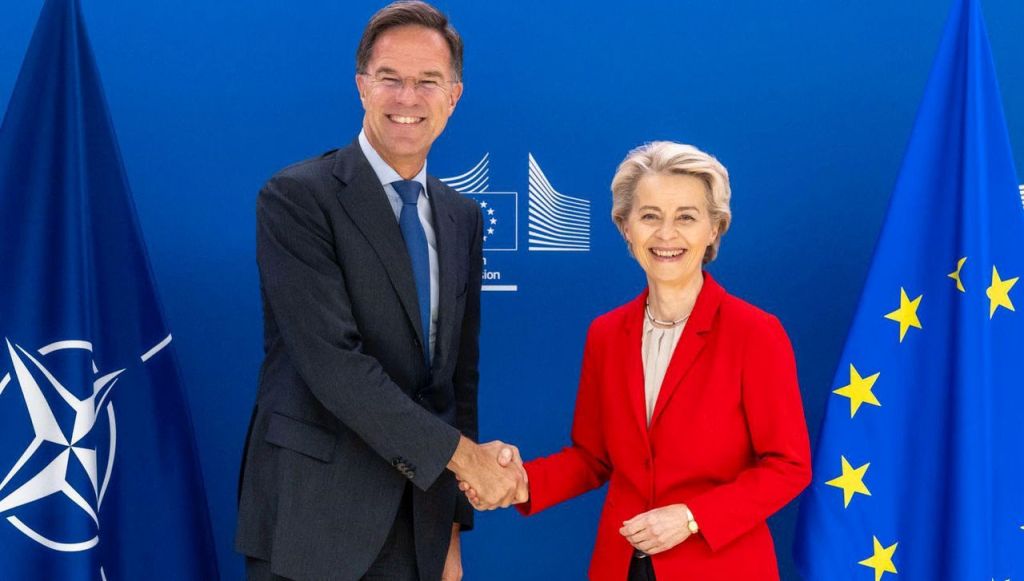
Core priorities shaping this convergence include strengthening European defence industrial capacity, improving interoperability and readiness, sustaining long-term support for Ukraine and reinforcing deterrence in Europe’s eastern flank. This suggests an emerging model of a European pillar within NATO where the EU contributes increasingly as a capability provider rather than as a standalone strategic alternative.
Türkiye: From Host Country to Strategic Node
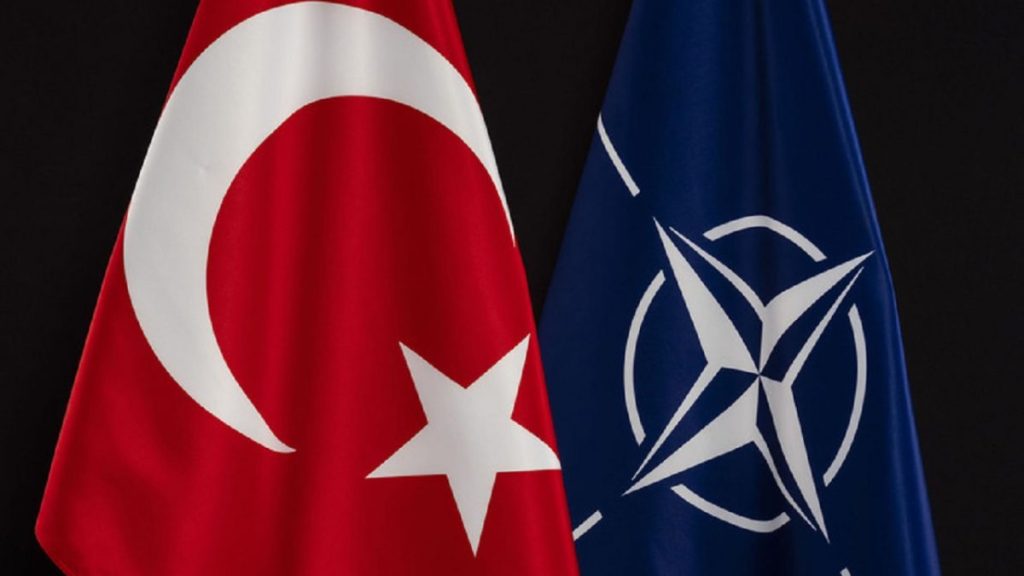
The decision to hold the summit in Ankara underscores Türkiye’s evolving role as a central actor in Euro-Atlantic security architecture. Türkiye occupies a unique geostrategic position connecting the Black Sea security theatre, the Eastern Mediterranean the Middle East and adjacent instability zones. This positioning makes Türkiye not merely a host, but a structural node in NATO’s regional deterrence architecture, particularly at a time when alliance security is increasingly multi-theatre in scope.
From an EU perspective, this also reflects a broader reality: European security is no longer geographically self-contained, but increasingly shaped through interdependent relationships with NATO allies and regional actors.

